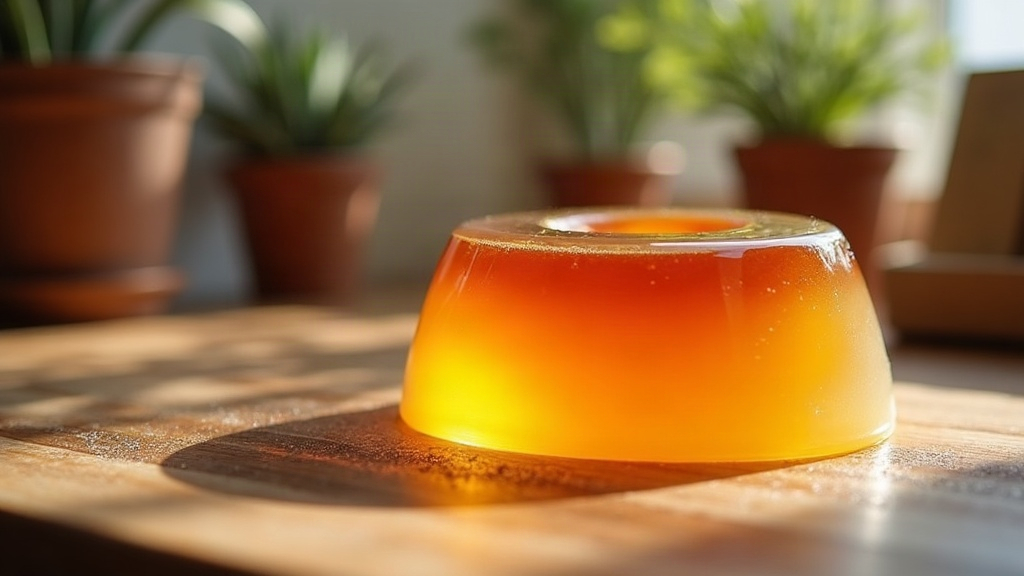
Collagen production naturally shifts with age, and many women are revisiting an old-fashioned kitchen ingredient — gelatin — as part of a broader conversation about daily habits. This video walks through the tradition, the talking points, and what’s worth understanding before you form an opinion.
Somewhere between one birthday and the next, a lot of women notice that the rules they grew up following don’t seem to apply the same way anymore. Skin feels different, meals don’t satisfy the way they used to, and the mirror tells a story that diet advice from a decade ago doesn’t explain. None of this happens overnight — it’s a slow accumulation of shifts in collagen, appetite regulation, and body composition that traditional dieting was never built to address.
The body's natural collagen production slows over time, which is part of why gelatin — a cooked form of collagen — has re-entered kitchen conversations as women look for familiar, food-based ingredients to learn more about.
The signals that once said 'you're full' can become less predictable, making it easy to eat past comfort without realizing it until later.
Muscle tissue tends to require more deliberate attention to maintain as the years pass, which changes how the body responds to activity and rest.
Calorie-counting frameworks built decades ago rarely account for how appetite, recovery, and metabolism actually behave in a woman's changing body.
Plenty of the advice repeated at gyms and in old diet books deserves a second look. Here’s a side-by-side of some common claims and the more nuanced reality behind them.
Metabolism only slows down because of age.
Age plays a role, but so do muscle mass, sleep quality, stress, and daily habits — factors that are far more within a person’s influence than the calendar.
Cutting calories further always produces the same effect it once did.
As body composition shifts, the same calorie strategy can behave differently, which is why many women find rigid restriction less predictable over time.
Protein needs stay flat throughout a woman’s life.
Nutritional conversations increasingly point to protein — including collagen-rich sources like gelatin — as worth understanding differently at different life stages.
None of this is about a quick fix. It’s about a handful of habits that show up consistently in the conversation around women’s wellness.
Pay attention to hunger patterns, energy dips, and skin or joint changes instead of dismissing them as ‘just getting older.’
Small, repeatable choices — including revisiting traditional ingredients like gelatin in everyday cooking — tend to matter more than dramatic overhauls.
Sustainable habits are built over months, not enforced over a single weekend of restriction.
Long before it had a wellness label attached, gelatin was simply what grandmothers simmered from bones and connective tissue to make broths stretch further and desserts set properly. It was practical, inexpensive, and nothing was wasted. That same ingredient — derived from collagen through slow cooking — has quietly re-entered modern kitchens as women look for food-based ways to think about the collagen conversation, rather than turning first to unfamiliar synthetic alternatives.
Insight: the ingredient itself isn’t new — what’s new is the attention being paid to why earlier generations relied on it so consistently.
⚠️ Feeling hungry again shortly after eating a full meal can point to shifting satiety signals rather than a lack of willpower.
⚠️ Looser or less resilient-feeling skin is often tied to the natural decline in collagen production over time.
⚠️ Morning stiffness or achiness in joints is a common topic in conversations about connective tissue and aging.
⚠️ Changes in weight that don't match eating or activity patterns can reflect broader shifts in body composition.
⚠️ Afternoon energy crashes are frequently discussed alongside changes in metabolism and sleep quality.
⚠️ Nails that chip or break more easily are sometimes brought up in the same conversations as collagen and connective tissue health.
Testimonials reflect individual opinions and experiences. Individual results may vary, and these statements are not a guarantee of any outcome.
Hydrolyzed gelatin is gelatin that has been broken down into smaller components, which is often discussed in the context of how easily the body may process it compared to whole gelatin.
No. The video is educational and discusses habits, tradition, and general topics related to women’s wellness — it is not a personalized diet or treatment plan.
No single ingredient replaces a balanced approach to eating. The video discusses gelatin as one ingredient within a broader conversation about habits.
Collagen production naturally slows as part of the aging process, influenced by genetics, lifestyle, and other individual factors.
No. This content is educational and general in nature. It is not intended to diagnose, treat, cure, or prevent any condition. Please consult a healthcare professional for personal guidance.
It’s intended for women generally interested in learning more about wellness habits, collagen, and traditional ingredients like gelatin.
It’s a short, educational video designed to be watched in one sitting.
See the complete explanation of the tradition, the habits, and the conversation around gelatin and women’s wellness.
Advertising Disclosure: This is sponsored content and may contain affiliate links. We may receive compensation if you make a purchase or take action through links provided on this page. This helps support the creation of educational content at no additional cost to you.
Content Disclaimer: The content on this page is for educational and informational purposes only and has not been evaluated by the FDA. It is not intended to diagnose, treat, cure, or prevent any disease or condition. Always consult a qualified healthcare professional before making changes to your diet, lifestyle, or wellness routine.
Results Disclaimer: Individual results may vary. Any testimonials or statements shared on this page reflect personal opinions and experiences and are not a guarantee of any specific outcome.
© 2026 · All Rights Reserved · chaveirorocha.com · Contact